
Best Time for Retaining Wall Installation
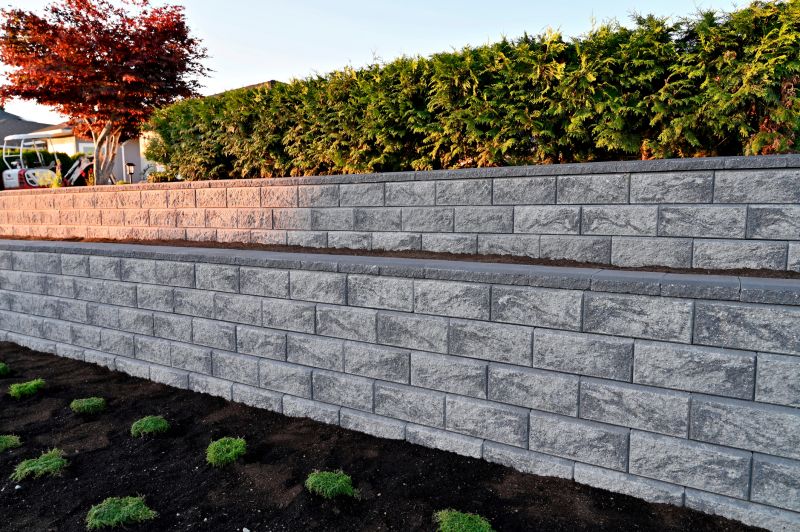
Spring offers moderate temperatures and stable soil conditions, making it ideal for retaining wall projects.
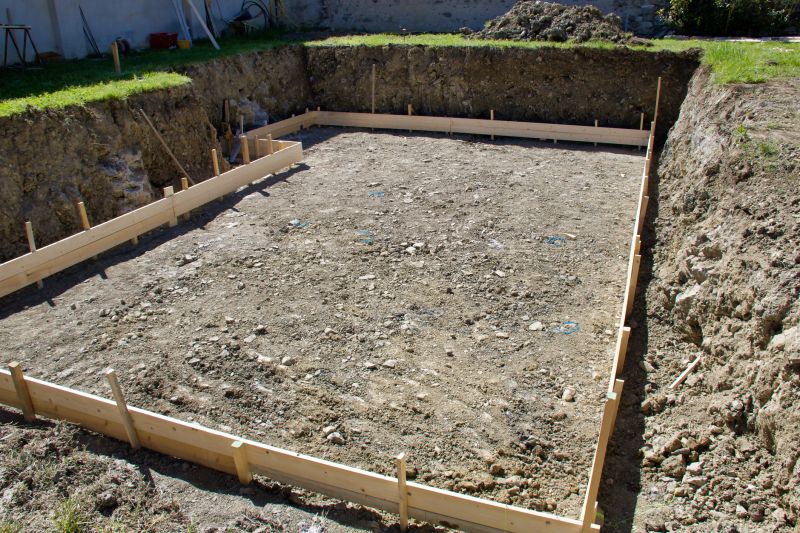
Early summer can be suitable, but high temperatures and dry soil may pose challenges for excavation and curing.
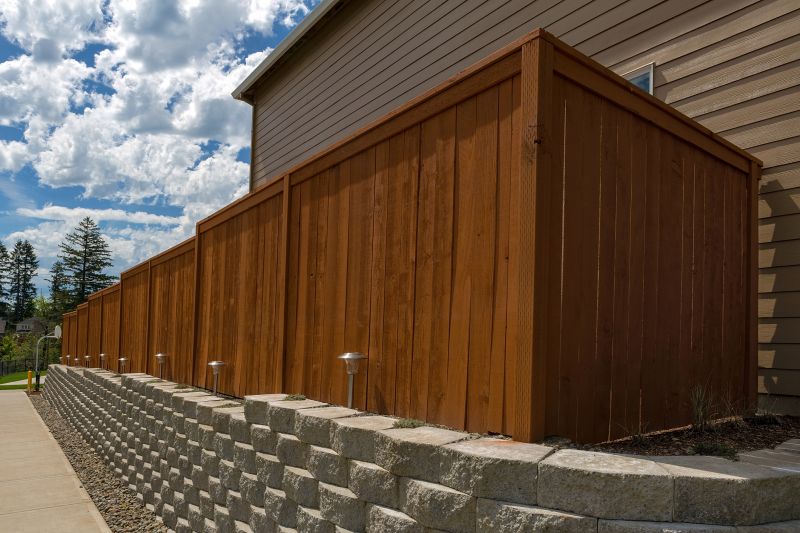
Fall provides cooler weather and less rainfall, which can facilitate proper installation and settling.
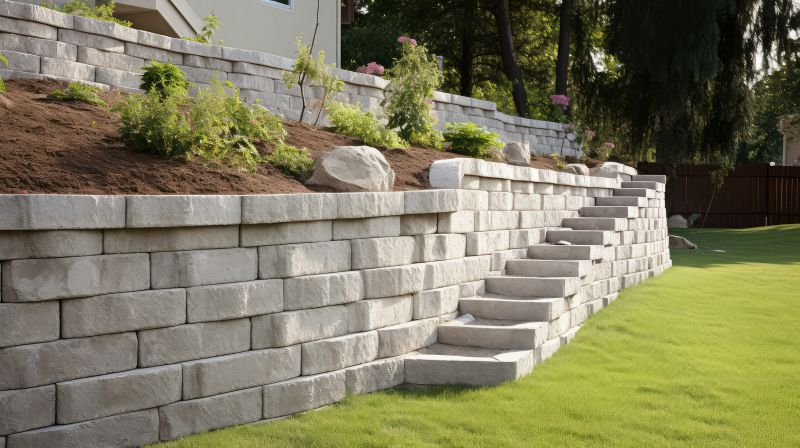
Ways to make Retaining Wall Installations work in tight or awkward layouts.
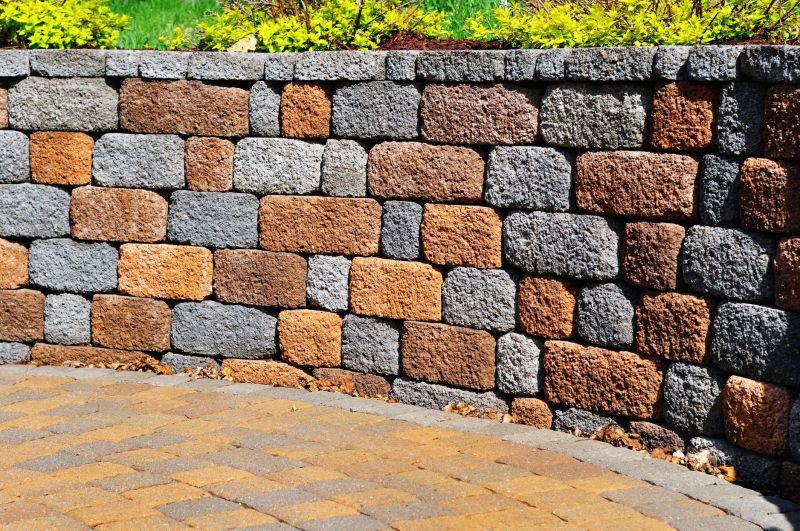
Popular materials for Retaining Wall Installations and why they hold up over time.
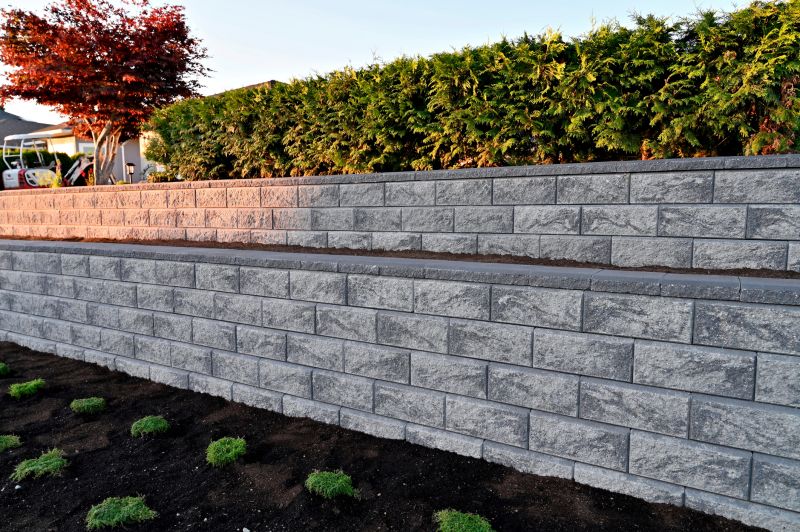
Simple add-ons that improve Retaining Wall Installations without blowing the budget.
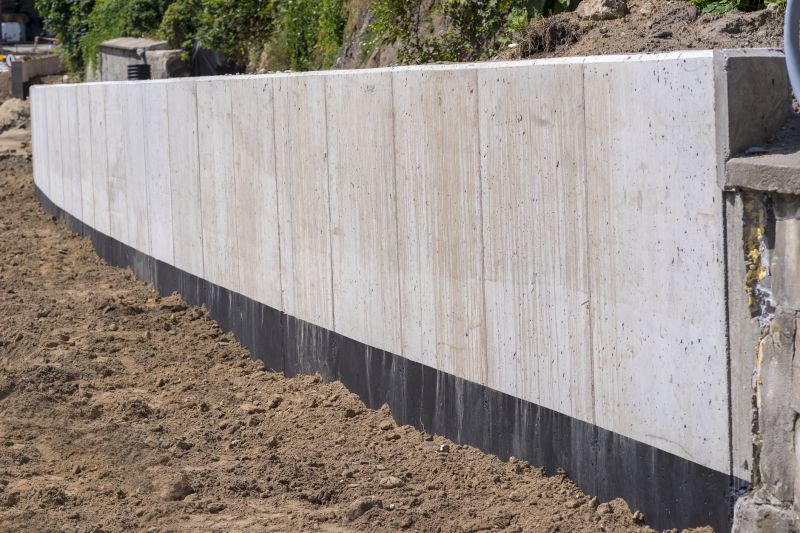
High-end options that actually feel worth it for Retaining Wall Installations.
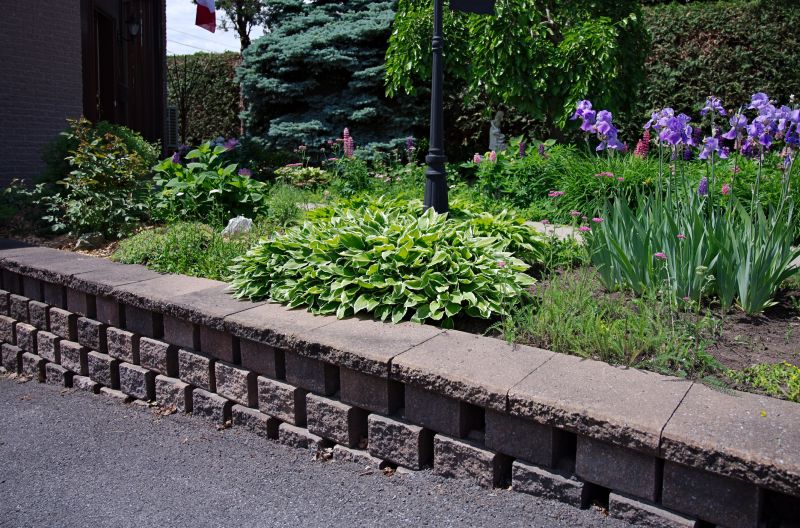
Finishes and colors that play nicely with Retaining Wall Installations.
Retaining wall installations are essential for managing soil erosion, creating level areas, and enhancing landscape stability. Proper timing ensures optimal conditions for excavation, material setting, and curing processes. Soil moisture levels, temperature, and weather stability significantly impact the durability and longevity of retaining walls.
Statistics indicate that the majority of retaining wall projects are completed during the spring and fall months, accounting for approximately 70% of annual installations. This trend is attributed to favorable weather conditions, reduced risk of delays, and optimal soil conditions. Proper planning and timing can lead to increased structural integrity and reduced maintenance needs.
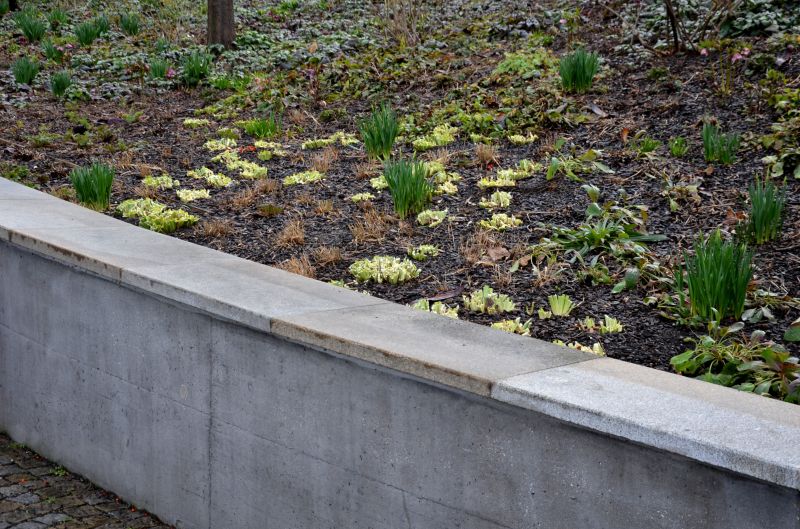
Spring's moderate climate aids in proper installation and curing.
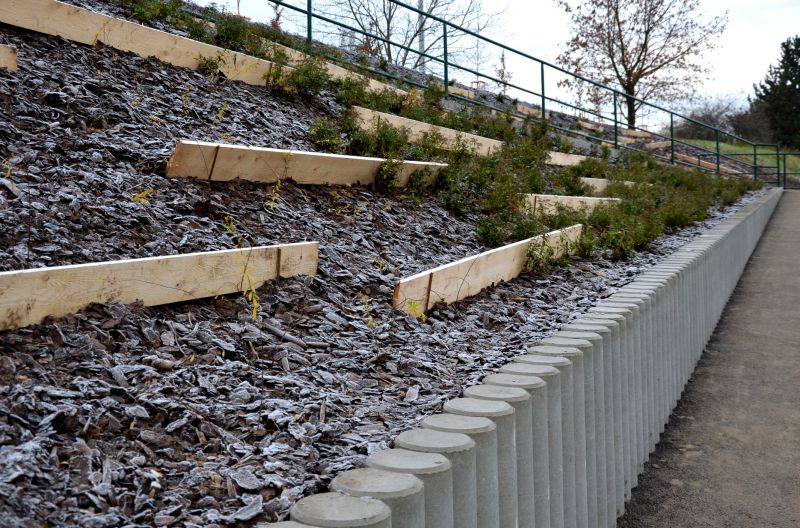
Cooler temperatures and less rainfall support stable construction.
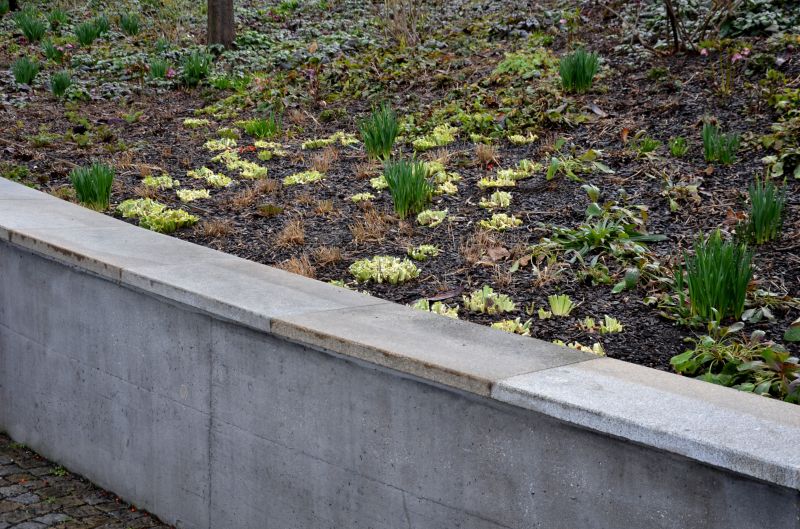
Weather variations influence soil stability and project timelines.
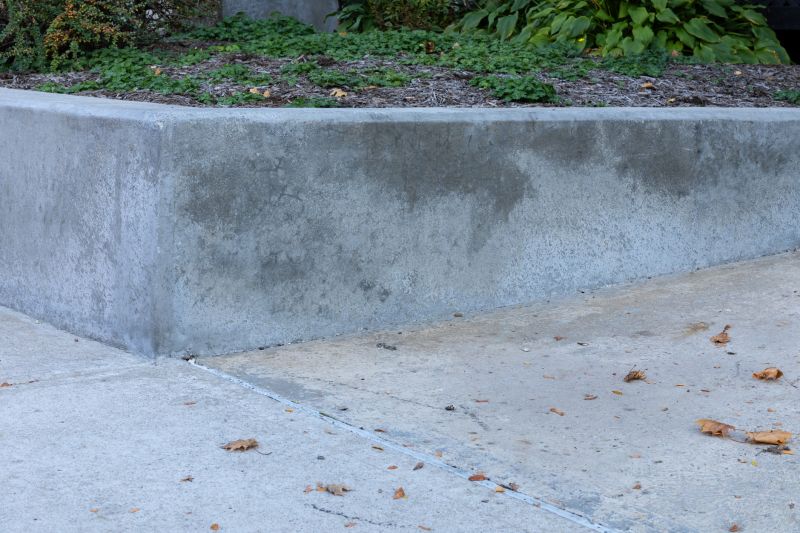
Little measurements that prevent headaches on Retaining Wall Installations day.
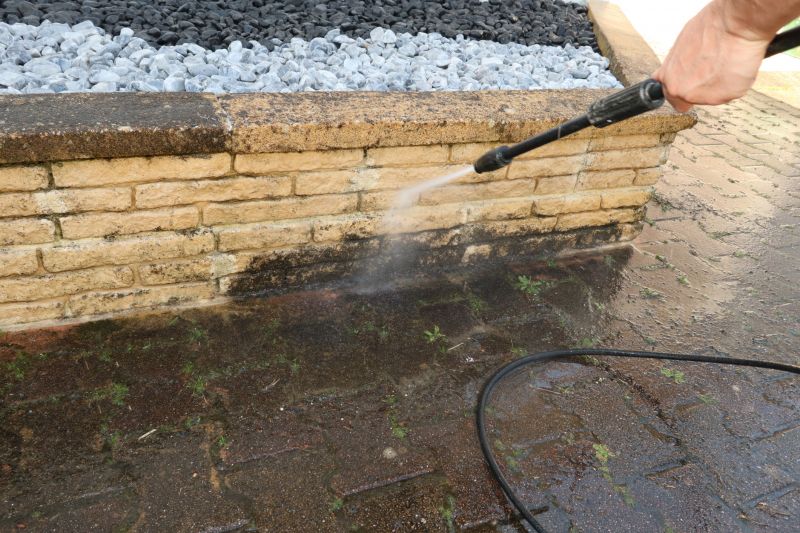
A 60-second routine that keeps Retaining Wall Installations looking new.
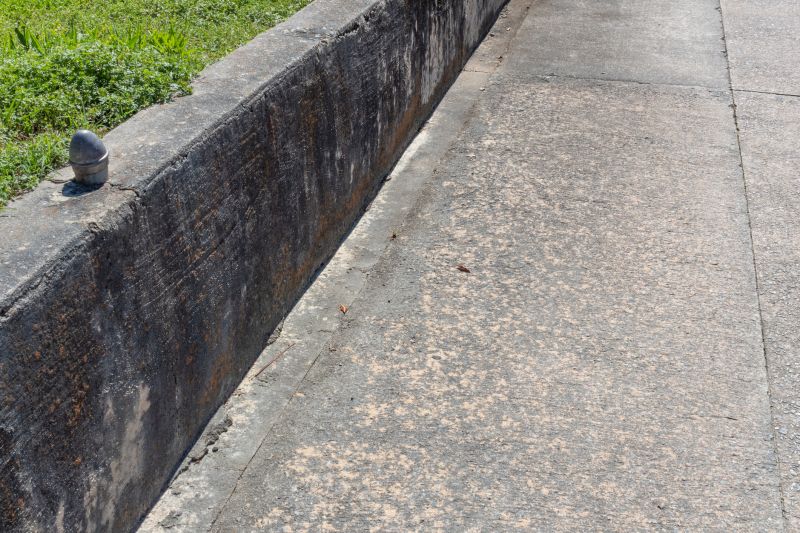
A frequent mistake in Retaining Wall Installations and how to dodge it.
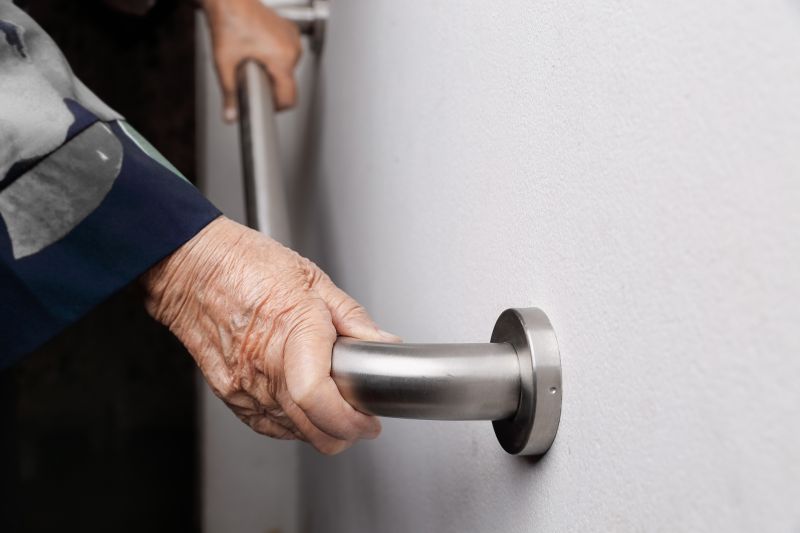
Small tweaks to make Retaining Wall Installations safer and easier to use.

Lower-waste or water-saving choices for Retaining Wall Installations.
| Season | Ideal Conditions |
|---|---|
| Spring | Moderate temperatures, stable soil, less rainfall |
| Summer | Higher temperatures, dry soil, potential heat stress |
| Fall | Cooler weather, reduced rainfall, stable soil |
| Winter | Cold temperatures, frozen ground, challenging conditions |
| Late Spring to Early Fall | Most suitable for installation, depending on local climate |
The short, realistic tool list for quality Retaining Wall Installations.
Rough timing from prep to clean-up for Retaining Wall Installations.
Quick checks and paperwork to keep after Retaining Wall Installations.